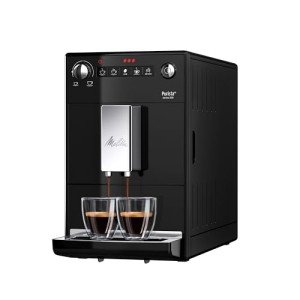
The Ultimate Guide to Buying Espresso Coffee Machines
Espresso coffee machines have quickly become a staple in households and coffee shops around the world. With their ability to produce rich, concentrated coffee quickly, numerous coffee aficionados choose brewing espresso at home instead of counting on cafe. Purchasing an espresso machine can be a difficult process, offered the myriad of options readily available in the market. This article provides extensive insights into different kinds of espresso machines, key functions to consider, and eventually assists ambitious home baristas make a notified choice.
Comprehending Espresso Machines
There are a number of kinds of espresso machines, each developed for different user choices and requirements. Below is a table detailing the kinds of machines offered:
| Type | Description | Pros | Cons |
|---|---|---|---|
| Manual Machines | Operated by hand, permitting complete control | Greater control & & quality Steeper learning curve | |
| Semi-Automatic Machines | Combines manual operation with automated functions | Versatility and consistency | Requires more ability than fully automatic |
| Fully Automatic Machines | Automated brewing, making espresso with the push of a button | Convenience and consistency | Less control over the developing process |
| Capsule Machines | Use pre-packaged pills for developing | Incredibly simple to use | Limited variety and higher long-lasting expense |
| Super-Automatic Machines | Completely automated procedures consisting of grinding & & brewing | All-in-one convenience | More costly and less manual control |
Choosing the best machine largely depends on the user's familiarity with coffee brewing, preferred control level, and budget.
Key Features to Consider
When looking for an espresso machine, a number of essential features need to be taken into consideration:
- Pressure: Look for a machine that operates at a minimum of 9 bars of pressure, which is optimal for extracting espresso.
- Boiler System: Machines may feature single or dual boiler systems. Dual systems are thought about more flexible as they can brew espresso and steam milk concurrently.
- Milk Frothing Capability: For lattes and coffees, a great steam wand or automatic milk frothing alternative is essential.
- Size and Design: Consider the offered area in the kitchen area. Bigger machines may offer more features but need more counter area.
- Reduce of Cleaning: Look for machines with removable parts and easy-to-clean surfaces, as regular upkeep is crucial to durability.
- Customization Options: Some machines use adjustable settings for temperature, volume, and strength. This feature is considerable for individuals who delight in try out different tastes.
- Rate Range: Espresso machines can vary from affordable to high-end designs. Set a budget that shows your use frequency and concerns.
Budgeting for an Espresso Machine
Buying an espresso machine can differ commonly in cost. It is important to develop a budget that lines up with your coffee consumption and choices. As a guide:
- Under ₤ 100: Entry-level capsule machines and basic manual machines.
- ₤ 100 - ₤ 500: Good quality semi-automatic machines with more features and better build quality.
- ₤ 500 - ₤ 1,500: Professional-level machines using innovative functions, dual boilers, and improved performance.
- ₤ 1,500 and above: High-end, commercial-grade machines created for major enthusiasts and coffee shop owners.
Upkeep and Care
Correct upkeep extends the life of an espresso machine and protects the quality of the coffee. Here are some upkeep ideas:
- Regularly clean the portafilter and other detachable parts.
- Descale the machine at suggested intervals to avoid mineral build-up.
- Rinse the steam wand after every use to remove milk residue.
- Check the water quality; utilizing filtered water can significantly improve the taste and lower scale.
Frequently asked questions
1. What is the best type of espresso machine for beginners?
For novices, a semi-automatic espresso machine is typically suggested, as it provides a balance of control and user-friendliness.
2. Can I make latte art with any espresso machine?
You can make latte art with machines that have a good steam wand or automatic milk frothing abilities.
3. How typically should Bean To Cup Espresso Machines descale my espresso machine?
You need to descale your espresso machine every three to 6 months, depending upon the solidity of your water and usage frequency.
4. Is a more expensive machine worth the financial investment?
Normally, more pricey machines offer much better construct quality, consistency, and function sets, which can boost the overall coffee experience. However, the value is subjective to user needs.
5. Do I require a grinder, or exist machines that include one?
Some super-automatic and high-end machines included integrated mills, while lower to mid-range models might require a different grinder for optimal espresso extraction.
Buying an espresso machine is an interesting investment for coffee enthusiasts and lovers. By understanding the different types, features, and key factors to consider involved, potential buyers can discover the perfect machine to match their requirements. Whether it's the pleasure of crafting the ideal shot of espresso or acquiring the ability to brew cafe-quality coffee in your home, the best espresso machine can transform the daily coffee ritual into a wonderful experience.